

Gaming Reward Apps Explained: What They Are, How They Pay, and What to Expect
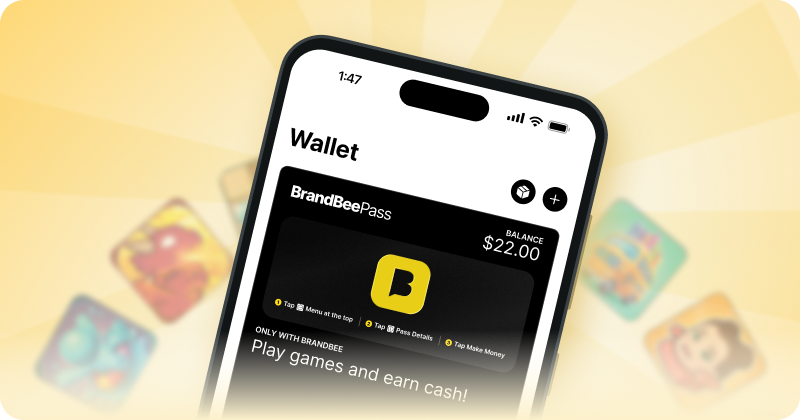

Apps that pay you to play games get a lot of attention, and for good reason. They sound almost too good to be true. That doubt is healthy. This space includes legitimate reward platforms, but it also includes weak offers, confusing payout systems, and the occasional scam that overpromises and underdelivers.
The part most people miss is the business side. These apps pay because your gameplay, attention, and activity have value to game publishers, advertisers, and research partners. Once you understand that, the model makes more sense.
This article breaks down how gaming reward apps work, how users get paid, what payout systems usually look like, and what you should expect before downloading one. By the end, you should have a clearer sense of whether they are worth your time, and which options, including BrandBee, deserve a closer look.
What gaming reward apps actually are
Gaming reward apps are mobile apps that give users points, coins, or cash-value credits for completing game-related tasks. That can mean reaching a level, finishing a tutorial, unlocking an achievement, or simply spending a certain number of minutes inside a game. Later, those earnings can usually be redeemed for PayPal, Venmo, or gift cards.
That makes them different from skill-based cash tournament apps.
Skill-based cash apps usually involve competition against other players for prize money, and some require entry fees or other forms of financial risk. They also face legal restrictions in some U.S. states. Reward-based apps work differently: you earn for engagement, offer completion, or tracked play activity, and you don't wager money.
BrandBee sits firmly in the reward-based category. Its gaming feature is built around free-to-use play rather than cash-entry competition. It also goes a step further than many single-purpose gaming apps by combining game rewards with paid surveys. That gives users more than one way to build up their balance in the same app.
How gaming reward apps can afford to pay you
This is the question most people are actually asking: why would an app pay me just to play a game?
The answer is that your play session is part of a larger business model:
First, game developers pay reward platforms for user acquisition and retention. A developer does not just want downloads. They want players who install the game, open it, keep playing, and hit key points that suggest longer-term use. A reward app helps deliver those users.
Second, many apps also make money from advertising. If users watch ads, interact with offers, or spend time inside a monetized environment, the platform can earn ad revenue and pass part of that value back to users.
Third, engagement itself has business value. In some cases, apps can use anonymized behavioral signals, offer performance data, or research insights to support partnerships and optimization.
BrandBee has an advantage here because games are only one part of the model. It also includes surveys, which gives the platform more than one source of revenue and creates more ways for users to earn.
That broader model helps explain how BrandBee paid out $1.1 million to users in 2025.
The three types of gaming reward apps (and which is right for you)
Not every app in this category works the same way. Before downloading anything, it helps to know which model fits your habits.
1. Loyalty or playtime apps
These apps reward time spent playing. In simple terms, the clock matters more than skill.
You install a game, launch it through the reward app, and earn as your tracked playtime adds up. The main advantage is predictability. You do not need to be especially good at the game, and every session can move your balance forward.
The tradeoff is that the hourly return is usually lower than milestone-based systems.
This model makes the most sense for casual players who already spend time on mobile games and want to turn that time into a little extra value.
2. Milestone or offerwall apps
These apps reward specific progress targets inside a game. That might mean reaching level 10, completing chapter 3, unlocking a feature, or finishing a tutorial within a certain period.
The upside is that individual offers can pay much more than simple playtime tracking. The downside is that they usually require more effort, more attention to terms, and more time per offer.
BrandBee’s Arcade mode fits this model.
3. Skill-based cash tournament apps
These apps center on competition and prize pools. Some users are drawn to the higher earning ceiling, but this category comes with more risk, more legal complexity, and more pressure to perform.
BrandBee’s Play Games feature gives users both milestone gaming through Arcade mode and minute-based gaming through Playtime mode in one app. That flexibility is useful because some people want structured targets, while others just want to earn while playing at their own pace.
Earn rewards by playing mobile games on BrandBee
BrandBee’s gaming feature, where you can earn money playing games, is built around two different modes.
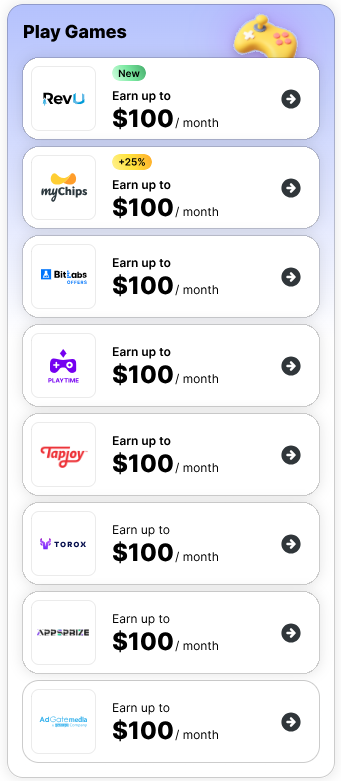
Arcade
Arcade is milestone-based. You install a game from the Arcade section, complete the listed requirements, and earn when you hit those checkpoints. This works well for users who do not mind a more goal-based format and want offers with larger payouts tied to progress.
Playtime
Playtime is minute-based. You choose eligible games from the Playtime section and earn based on how long you play. This option is simpler and often feels more relaxed because you are not chasing a specific level requirement.
Both modes are free to use and don’t require in-app purchases.
[Insert BrandBee games screenshot here]
For casual mobile players, this setup makes sense because it matches two different play styles. Some users want structure. Others just want to open a game and let the minutes count. BrandBee supports both. For a closer look at what players can expect, read our guide on how to earn money from games.
How points, coins, and redemption actually work
Most gaming reward apps do not show earnings in plain dollars from the start. Instead, they use an internal currency such as points, coins, gems, or units. You build up that balance over time, then redeem it for a payout option once you reach the threshold.
This is where many beginners get tripped up.
An app might advertise “1,000 points” as if it is a big reward, but that number means very little unless you know what those points convert to. In some apps, 1,000 points might be worth a decent amount. In others, it may barely equal loose change. Always check the conversion before you spend hours on an offer.
Here are the three things that you should look for:
Minimum cash-out threshold
Many reward apps set a minimum before you can redeem. The amount varies by app and payout method.
How long rewards take to arrive
Not every reward lands instantly. Some apps process redemptions in a day, while others can take several days. Offer approvals can also vary by earning method.
Which payout options are available
This is one of the easiest ways to judge whether an app fits your preferences. Some people want cash transfers. Others prefer gift cards.
BrandBee offers PayPal, Venmo, and gift cards, including Amazon, Apple, Visa, Xbox, Google Play, Uber, DoorDash, Adidas, Domino’s, and Walmart. Cash outs can start at $3, and payouts are designed to move quickly, often within 24 hours. You can see the full list on the BrandBee rewards page, and you can download the app here.
Common mistakes beginners make with gaming reward apps
A lot of users quit too early because they start with the wrong expectations.
Chasing high-payout offers without checking time requirements
A large offer can look exciting until you see the time requirement. If a $50 offer takes 40 or more hours of gameplay, the return may be much lower than it first appears. Before starting, do a quick hourly estimate. That one habit can save you a lot of wasted time.
Skipping the offer terms
Tracking rules are important. In many apps, you must launch the game through the tracking link, complete milestones within a set window, and avoid actions that break eligibility. If you skip the terms, you can finish the task and still miss the reward.
Expecting too much too soon
Like most apps that pay real money, these apps are best treated as supplemental earners. They can be worthwhile, especially if you already play games on your phone, but they are not a replacement for a job or a fast-cash machine. Users who start with that mindset are usually more patient, make better choices, and stick with the offers that suit them.
How to tell a legit gaming reward app from a scam
The easiest way to judge a gaming reward app is to look past the marketing and check how the system actually works. Good apps tend to explain their earning model, payout rules, and redemption process clearly. Bad ones usually lean on hype, vague promises, and confusing reward math.
Red flags to watch for
A few warning signs show up again and again in weak or misleading apps:
The first is exaggerated income claims. If an app suggests you can make hundreds of dollars a day from casual gameplay, that should raise immediate doubts. Reward apps can be useful, but they are not built to generate that kind of income for most users.
Another warning sign is the lack of any payout history you can trust. If you cannot find user feedback showing successful cash-outs, or the app gives you no confidence that people are actually redeeming rewards, that is a problem.
You should also be careful with apps that make their point system look generous at first, then quietly move the finish line. For example, an app may hand out large-looking point totals early on, only to set the redemption threshold so high that cashing out becomes much harder than expected.
A fourth red flag is any app that pushes you to spend money to reach better rewards. If purchases are framed as the only way to unlock meaningful earnings, the system may be built more to extract money from users than to reward them.
Green flags of a trustworthy app
Better apps usually make the payout system easy to understand. You should be able to see how rewards are earned, what the minimum cash-out threshold is, and how long redemption usually takes.
It also helps when there is user feedback showing completed cash-outs rather than vague praise with no detail. That kind of feedback does not guarantee your experience will be identical, but it does give you actual proof that the reward system is functioning.
Clear terms of service are another good sign. So are multiple earning methods. When an app supports more than one earning channel, it often suggests a more durable business model than an app built around a single offer type.
Finally, look at the company behind the app. A platform tied to a known business gives users more accountability, more visibility, and more information to review before spending time on it.
BrandBee checks those boxes. It offers more than one way to earn, including games and surveys. If you want more detail, we cover the question directly in our post on whether BrandBee is legit.
What you can realistically earn from gaming reward apps
Gaming reward apps are best viewed as a side-earning tool, not income you can build a budget around. For many users, earnings may land somewhere between a few dollars and $20 to $40 per month, depending on time spent, offer selection, and whether they use only games or stack several earning methods.
That stacking effect is important.
Someone who only uses playtime rewards will usually earn less per hour than someone who mixes playtime with milestone offers and surveys. BrandBee is built around that mix, which gives users more room to increase their balance without depending on one feature alone.
Time investment also changes the outcome. Passive-style Playtime sessions tend to pay less than more active formats like Arcade milestones or surveys. That does not make Playtime bad. It just means it serves a different user.
For anyone who already spends time on mobile games, reward apps can turn existing screen time into something useful. It makes more sense to treat them as a free extra on top of habits you already have, not as a high-income shortcut.
Are gaming reward apps worth downloading?
Gaming reward apps make sense once you see the full picture. Game publishers get engaged users, advertisers get attention, platforms get revenue, and users get a share of that value through rewards.
The apps worth keeping are the ones that explain their system clearly, avoid pay-to-earn traps, and cash out through familiar options such as PayPal, Venmo, and gift cards. BrandBee is a great option because it is free to download, includes both Arcade milestones and Playtime minutes, and has more than 1 million users. It paid out $1.1 million to users in 2025.
If that mix fits how you already use your phone, you can start here: Download BrandBee.


