

20+ Passive Income Ideas You Can Try Now

Looking for passive income ideas that actually fit how people earn online today?
You’re in the right place.
This post will provide you with realistic, digital-first options that generate ongoing results without high upfront costs, complex setups, or technical headaches. No speculations or exaggerated promises here. These are ideas built around systems that keep working once the foundation is in place.
You’ll find ideas of passive income rooted in content creation, apps, tools, and digital platforms that handle the heavy lifting for you. These are formats where effort happens early, then tapers off while results continue in the background.
Each example reflects how people earn passive income in 2026 using platforms already designed for creators, students, parents, and busy professionals with limited time.
What is passive income?
If you want a clean definition of what passive income is, let's start with how it differs from active work. Active income usually depends on showing up at a workplace. You trade hours, effort, or availability for pay. Once the task ends, so does the payout. Passive income works differently. The effort comes first. The results follow later. When people ask what passive income really means, day to day, the answer is simple. You build something once, then let systems do the repetitive work for you.
Technology has changed the entry point. You no longer need property, inventory, or large budgets. Digital tools now handle distribution, scheduling, and delivery behind the scenes. For beginners learning how to make passive income, the process often starts with platforms that keep running after setup. Create once, plug it into the right system, and let it continue working while you step away.
Online passive income ideas
When people hear passive income ideas, they often picture unrealistic setups or overnight success. That is not what you’ll find here.
The ideas below focus on creativity, automation, and systems that keep working once they are set up. Some require upfront effort. Others rely on consistency rather than constant attention. All of them fit modern, digital-first lifestyles and avoid exaggerated income claims.
You don't need all of these. Pick one or two that fit how you already spend time online:
1. BrandBee daily rewards
BrandBee offers one of the easiest ways to earn passive income with minimal setup. After turning on the daily rewards inside the app and giving it Accessibility permissions, it runs silently in the background using anonymized, privacy-first data.
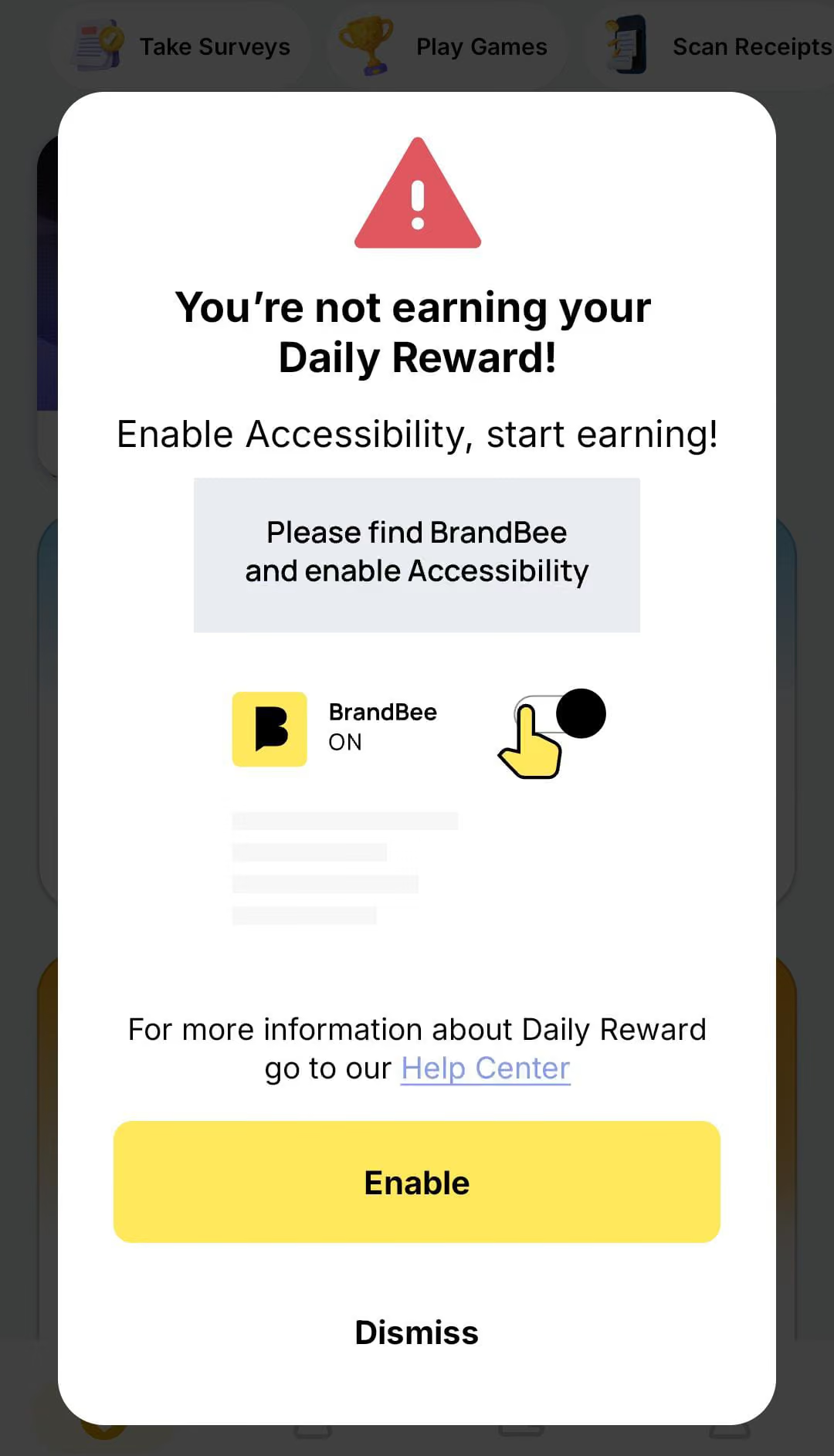
A quick thing to be clear about. Participation is always optional. You decide what to share, and you can turn it off at any time. The deal is simple: shared data equals real rewards.
And no, BrandBee is not reading your personal content. There is no access to messages, passwords, photos, or browsing history. Only anonymized usage signals are used for market research.
To keep receiving daily rewards, Accessibility needs to stay enabled. That’s it. Quiet, controlled, and built to pay you for what you choose to share.
Earnings accumulate automatically and can be redeemed as PayPal money, Venmo money, or free gift cards. For users looking for beginner passive income or low-effort ideas of passive income, this option is about as close to hands-off as it gets.
2. Online microtask automation
Some platforms allow users to configure small digital tasks that continue running after the initial setup. While this is not fully hands-off, it does allow users to earn money with minimal ongoing involvement.
Results depend heavily on task availability and region, but once running, the process becomes largely automated. This sits between active work and passive income online. Examples include Remotasks and Microworkers.
3. Website ad revenue sharing platforms
Revenue-sharing platforms allow writers to publish short articles that earn over time through ad impressions. Once content gains traction, income continues without updates or promotion.
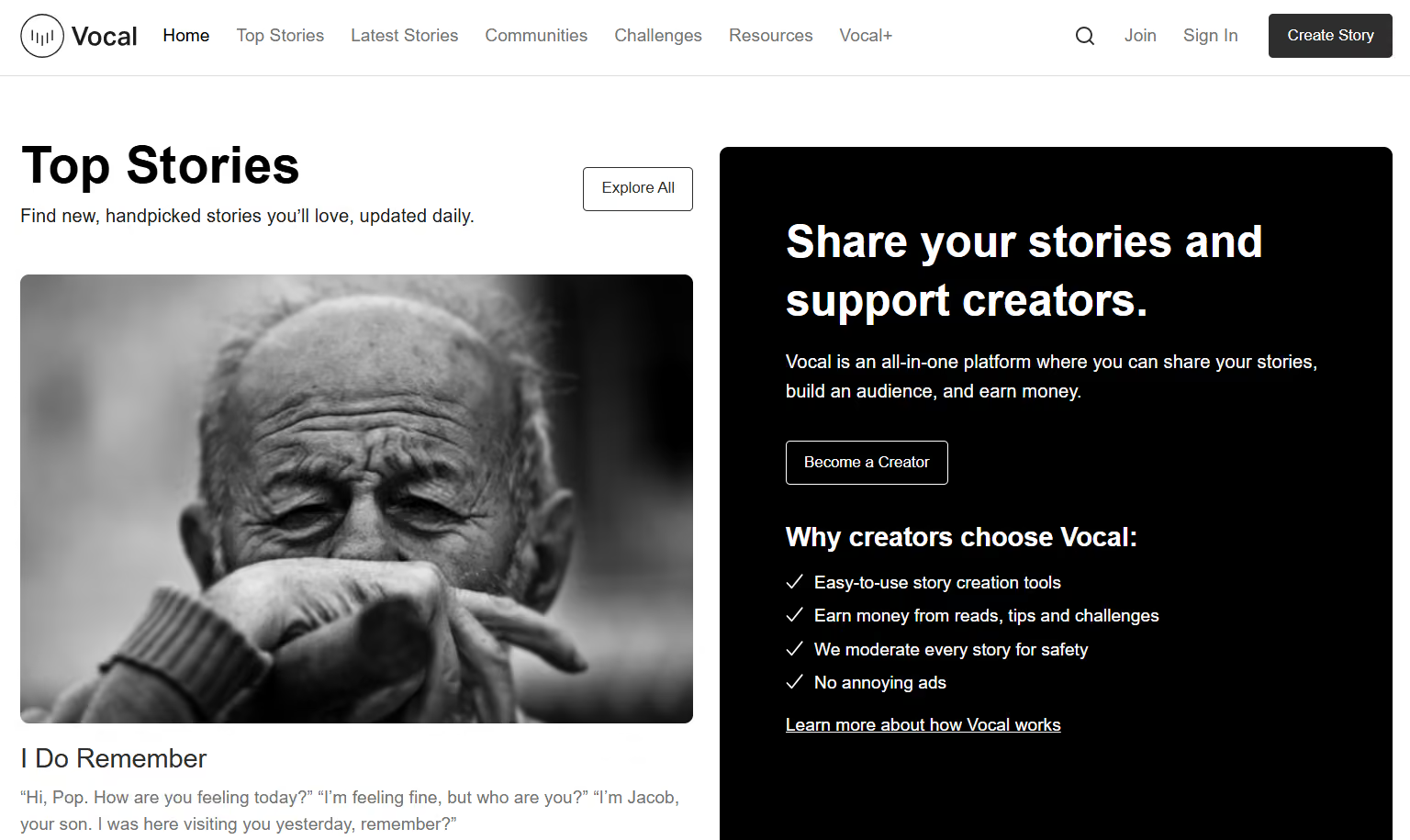
This model works best for evergreen topics that attract repeat views. It is a straightforward way to get passive income from writing without managing your own website. Medium Partner Program and Vocal Media are some of the best examples here.
4. Print-on-demand stores
Print-on-demand removes inventory, shipping, and customer service from the equation. Creators upload designs once. Marketplaces handle production and fulfillment.
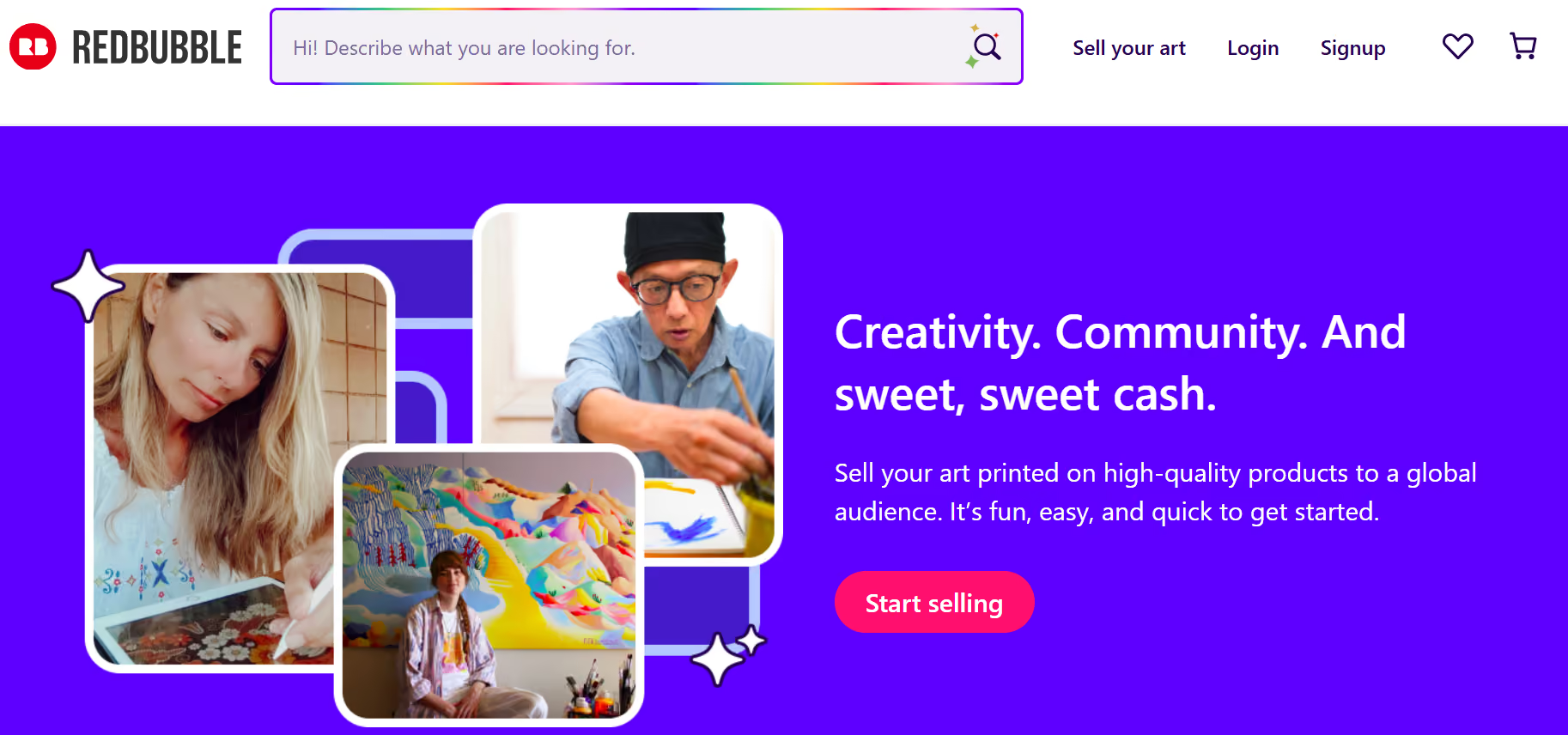
When a customer places an order, commission is credited automatically. This is one of the most popular ways to create passive income for designers and illustrators. Platforms include Redbubble, Teespring, and Zazzle.
5. Affiliate marketing websites
Affiliate websites earn commission when readers click tracked links and make purchases. The real work happens early through content creation and search optimization.
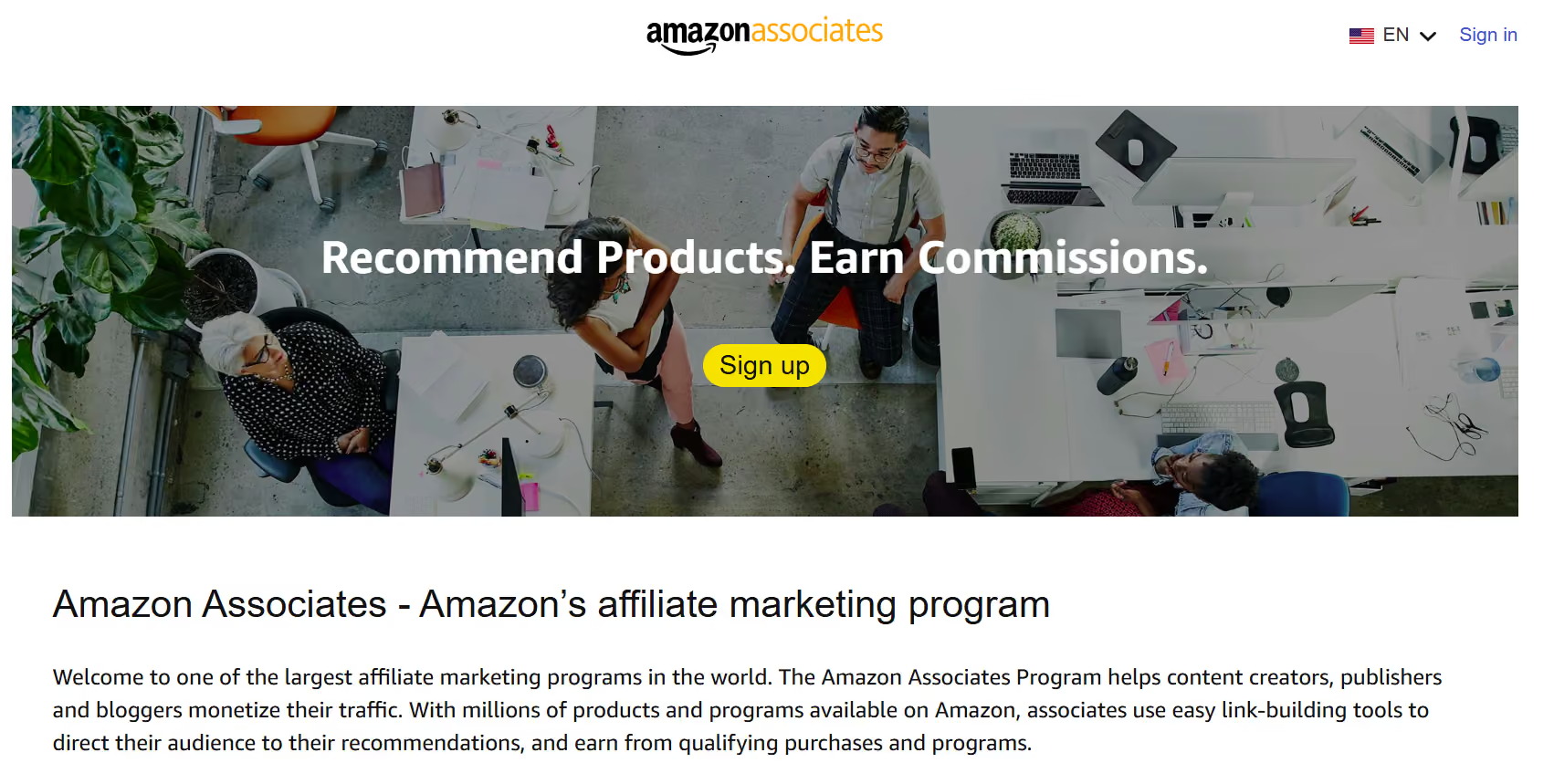
Once traffic stabilizes, sales can occur without daily involvement. This structure supports long-term passive income and flexibility. Common networks include Amazon Associates and Impact.
6. YouTube automation
YouTube continues working long after a video is published. Evergreen content, combined with scheduling and basic analytics, allows creators to step back once a library exists.
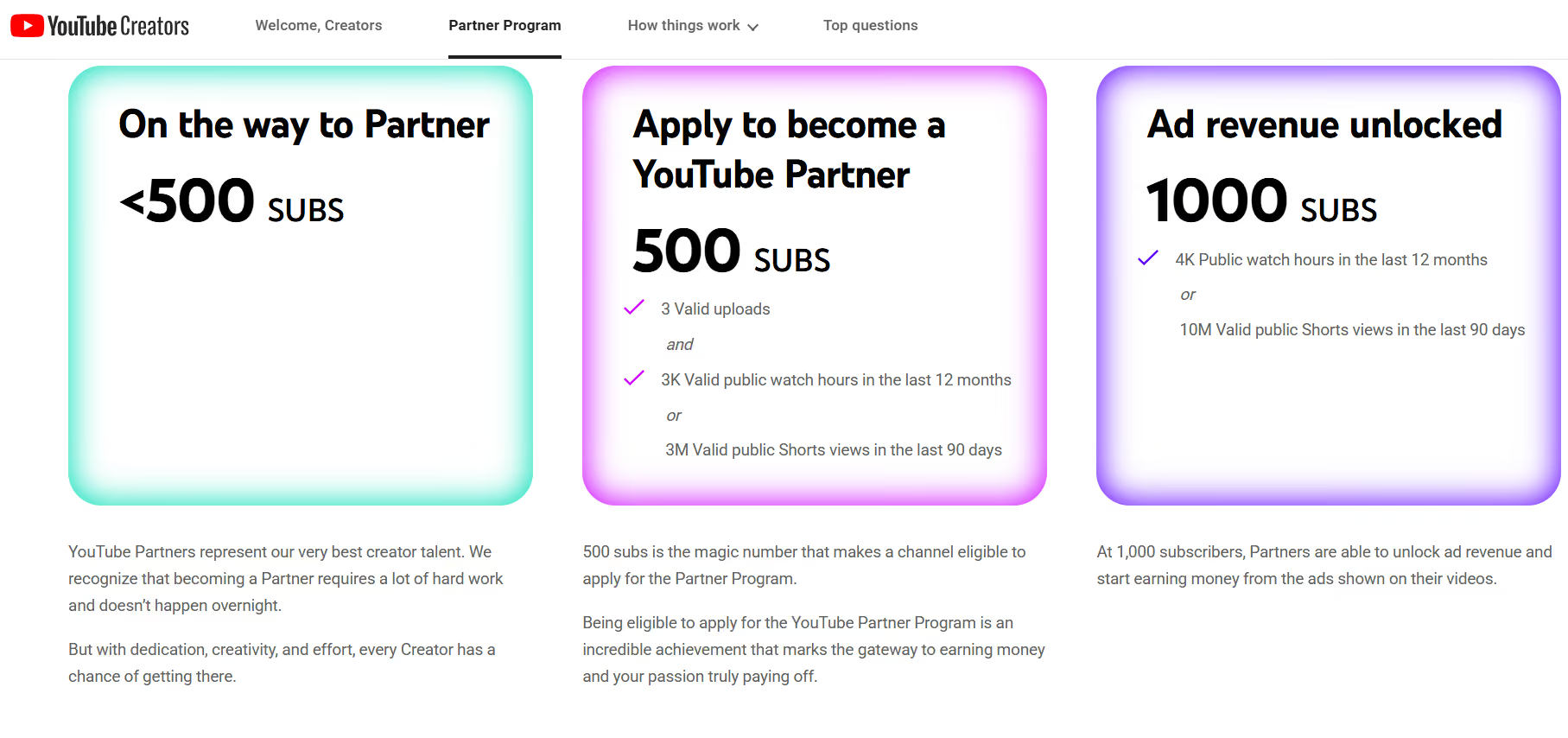
Ad revenue, memberships, or affiliate links generate ongoing income. This is a common answer to how to make passive income with video. The YouTube Partner Program powers monetization.
7. Blogging with display ads
Blogs monetized with display ads earn based on consistent pageviews. After the initial setup, income grows gradually as content ranks.

Ongoing work is really not that complex and usually involves updating older posts. This is a classic way to make passive income without products or inventory. Platforms include Google AdSense and Mediavine.
8. Stock photo licensing
Photographers upload images once and earn licensing fees each time those files are downloaded. Photos can remain listed for years with no extra work.

This model suits creators who already own content libraries. It remains one of the strongest passive income examples for visual creators. Examples include Shutterstock and Adobe Stock.
9. E-book publishing
Digital books sell repeatedly without printing or shipping. After publishing, royalties accumulate automatically as readers see the title.
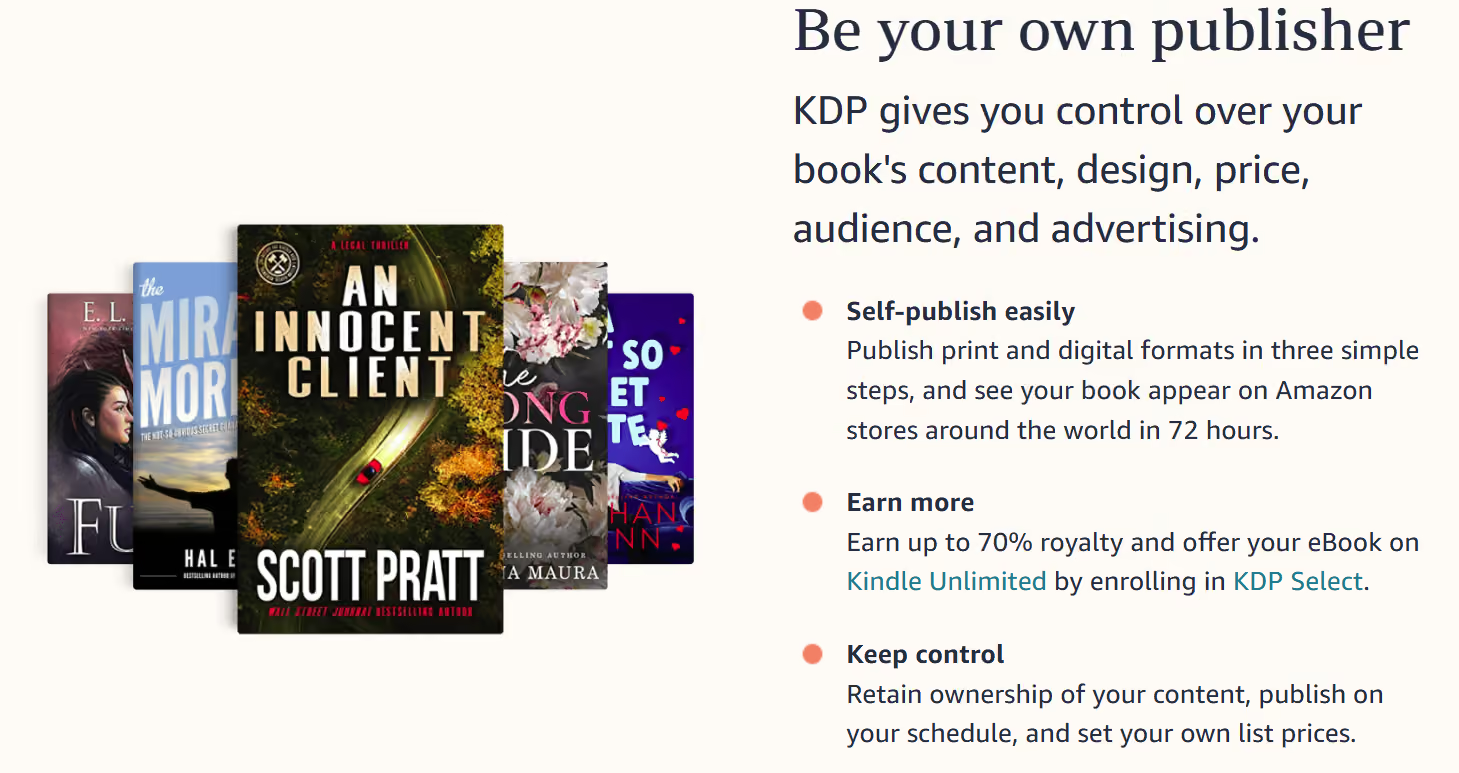
Discoverability improves over time rather than peaks once. This makes e-books a reliable option to make money online. Try looking at the features of Kindle Direct Publishing or Draft2Digital.
10. Create and sell online courses
Recorded courses sell multiple times without re-recording. Hosting platforms manage access, payments, and delivery.

Once completed, upkeep is minimal. This structure suits educators who are looking for ways to generate passive income over long periods. Top platforms in this sector include Udemy and Skillshare.
11. Automated captioning and transcription tools
Some creators monetize automated transcription or caption data by licensing reused assets. Content is generated once and reused across platforms.
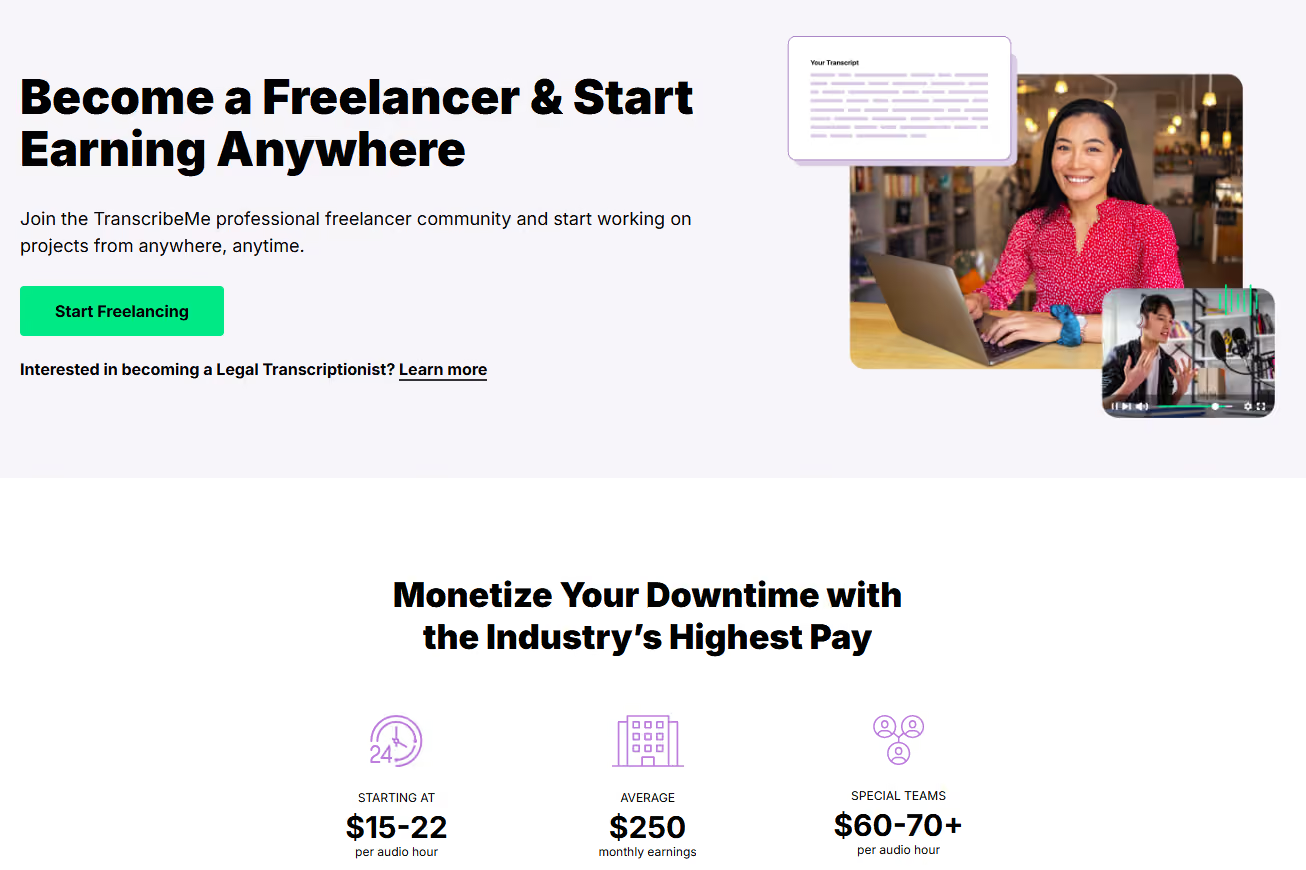
Efficiency improves as systems scale. This is suitable for creators who already work with audio or video. Tools include Rev AI, TranscribeMe, and Happyscribe.
12. Audio narration and voiceover licensing
Voice recordings licensed for reuse earn repeatedly from a single session. Once uploaded, no re-recording is required.

This is a strong option for creators who prefer speaking over writing. Popular platforms include ACX and Voices.com.
13. Print sticker shops
Sticker designs upload once and remain available indefinitely. Printing and fulfillment are automated entirely.
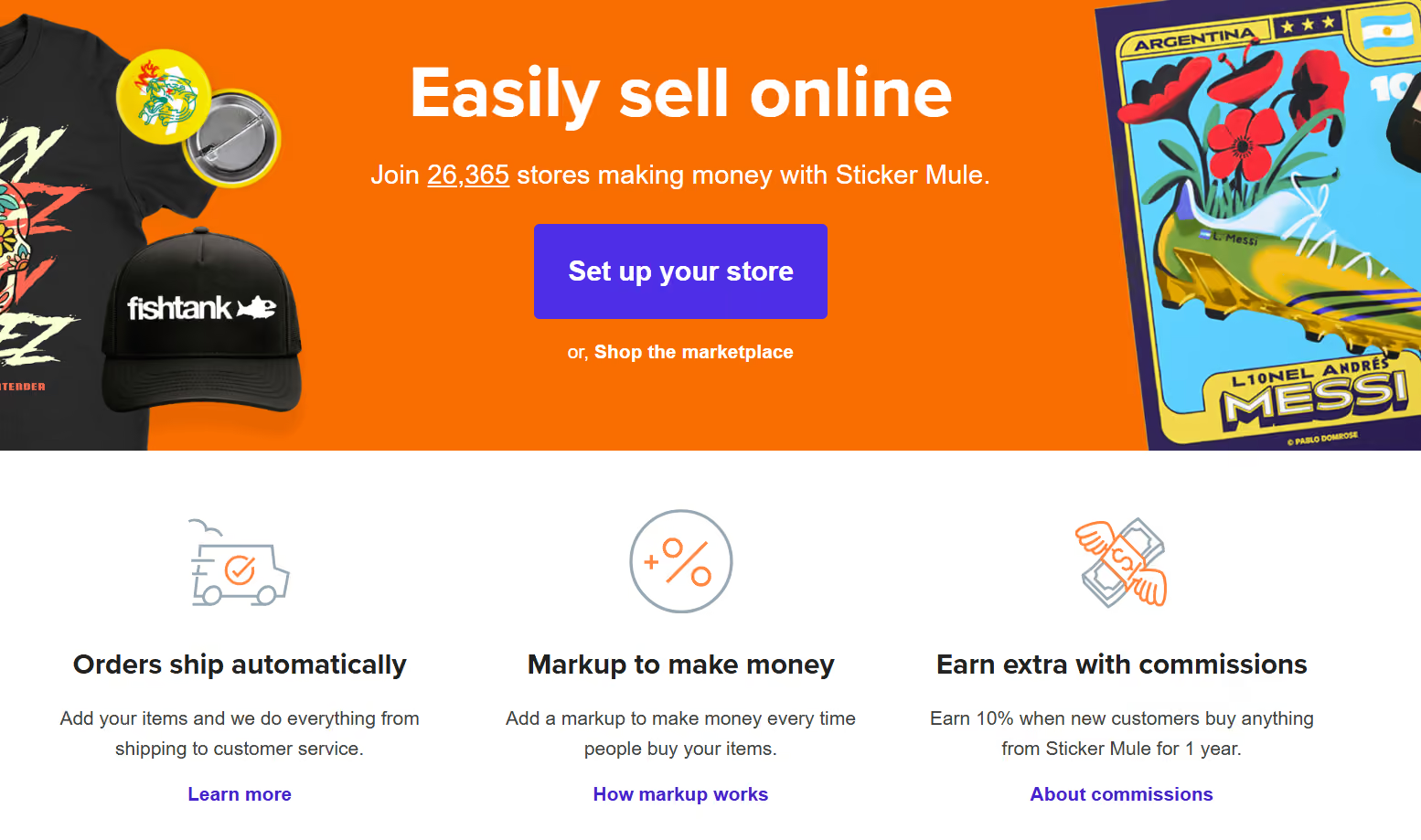
Sales can continue months or years later. This creative option is matched with modern side hustles and passive income, and scalability. You can check out platforms like Redbubble and Sticker Mule.
14. Educational resource marketplaces
Teachers and educators sell lesson plans, worksheets, and activities as digital downloads. Once listed, transactions run automatically.
Demand remains consistent year-round. Teachers Pay Teachers and Gumroad are the most well-known names in this sector.
15. Digital sound effect libraries
Short audio effects licensed to content creators earn recurring income. Each upload can be licensed many times.

This suits musicians and audio editors focused on reusable assets. Examples include Pond5 and Epidemic Sound.
16. Digital templates
Templates for planners, resumes, social posts, or workflows sell continuously after upload. Initial promotion helps traction, but systems eventually self-sustain.

This is a proven method for how to make passive income with low overhead. Etsy and Gumroad are the best brands to explore.
17. AI prompt libraries
Curated prompt libraries packaged for specific niches require little maintenance after launch. Buyers value structure and organization.

This fits creators who are in search of modern automation trends. Look for platforms like PromptBase and Ko-fi.
18. Podcast monetization
Podcasts build value over time. Once episode libraries exist, ads and sponsorships continue generating income.

Discovery plays a big part here, but content works long after recording. Some common names that you can test include Spotify for Creators and Buzzsprout.
19. Subscription newsletters
Paid newsletters generate recurring monthly income. Billing, email delivery, and access are automated.

As subscriber numbers grow, income stabilizes. You might want to check out Substack and Beehiiv.
20. Licensing music or audio effects
Royalty-free libraries allow ongoing licensing without repeated effort. Music continues working long after upload.

This model pairs well with evergreen creative assets. AudioJungle and Pond5 are among the top names to explore.
21. Automated print subscription boxes
Subscription boxes operate on preset schedules. Fulfillment tools handle billing, packing, and shipping automatically.

Once configured, participation becomes largely passive. Cratejoy and Subbly are worth checking out.
22. App development and monetization
A well-built app can run for years with occasional updates. Revenue comes from ads, subscriptions, or upgrades.
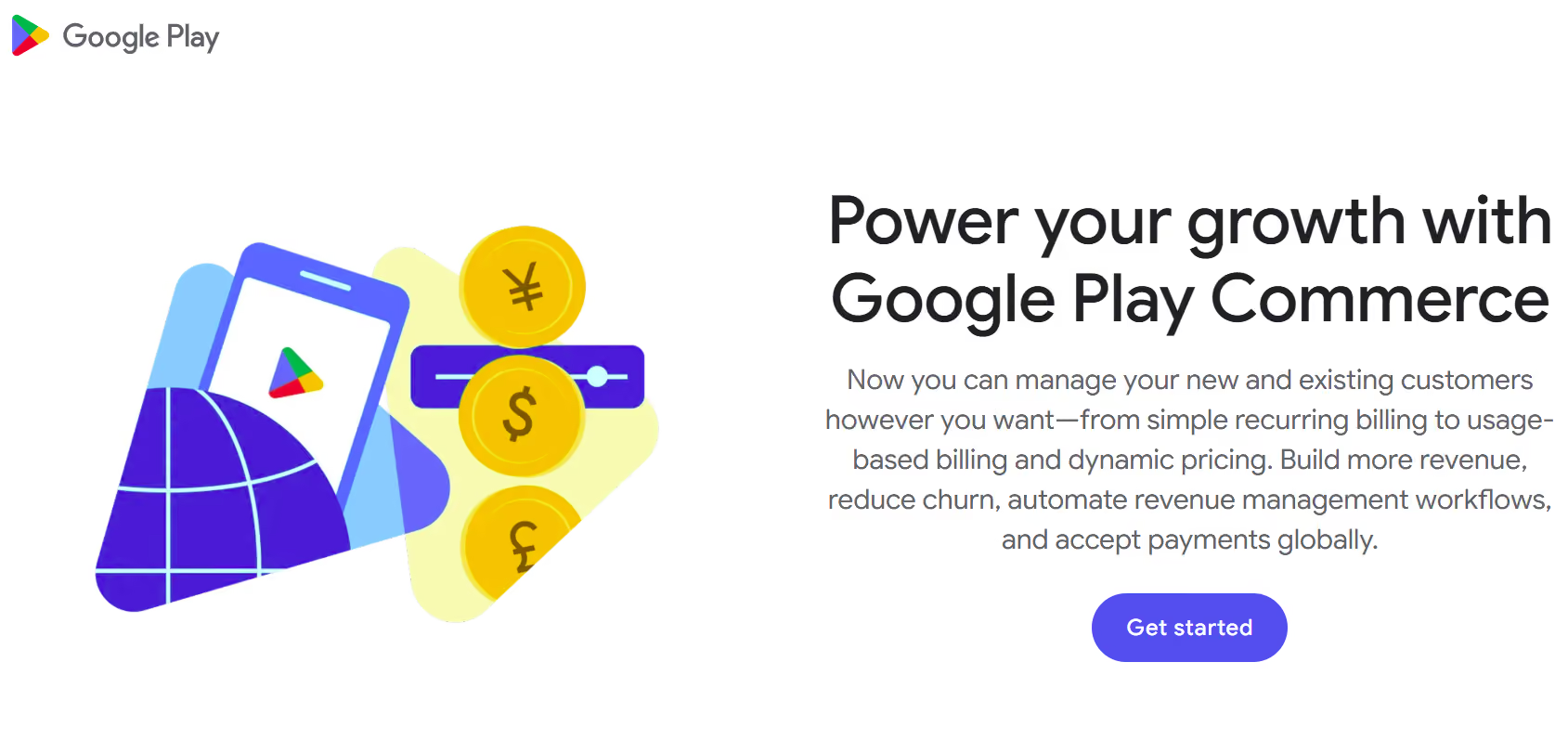
While development requires skill, maintenance does not require constant attention. Some developers make $50 per month or more as user bases grow. Google Play Store and AppLovin are among the best places to start.
How to choose the right online passive income stream
Picking the right passive income stream starts with an honest look at how you live and what you can realistically commit to. Setup effort, budget, and long-term potential all matter here. Some options ask for front-loaded creative work before anything pays off. Others are quieter systems that run in the background once they are set up.
If you are just starting, lower-risk options usually make more sense. Passive income apps, licensing tools, and content platforms let you experiment without heavy pressure or technical hurdles. You learn how things work while keeping expectations grounded.
As you get more comfortable, adding a second or third stream becomes easier. Spreading effort across multiple passive setups can smooth results and reduce reliance on a single source.
Build online income that works while you live
Online passive income feels far more realistic heading into 2026. Not because shortcuts suddenly exist, but because the tools are better and expectations are clearer. With the right mix of platforms, some income streams can run quietly in the background while you get on with daily life. Options like reward-based apps require almost no setup. Others take time, testing, and a bit of patience before they gain traction.
The real strength comes from stacking techniques. A few apps here. A simple digital asset there. Add automation where it makes sense. This kind of spread creates consistency and reduces risk. And it doesn't really matter if you are aiming for modest monthly extras or something that can scale over time. These systems fit around real schedules. That means earning from your phone, keeping flexibility, and building income without constant hands-on work.


