

10 Passive Income Apps You Should Try

Imagine earning a bit of extra money while you go about your day. No tight schedules. No chasing tasks. No checking your phone every few minutes. A few years ago, that idea felt unrealistic. Today, it’s quietly becoming normal thanks to apps designed to run in the background.
Passive income apps rely on automation. Some earn by securely sharing data. Others reward shopping habits you already have. A few focus on saving or investing with little day-to-day involvement. The idea is simple: set them up once, then let them do their thing with minimal effort.
In this article, we’ll walk through 10 passive income apps you can try, each designed to earn in a slightly different way. Some work almost entirely in the background, while others support habits you’re probably already doing, like shopping or saving.
Let’s be clear from the start: there are no shortcuts to quick money here, and no app will replace a full-time income. These tools are about low-effort, steady earnings that add up gradually. The amounts may seem small at first, but over time, they can feel surprisingly worthwhile.
To keep things simple, we’ve grouped the best passive income apps by how they work. Each category reflects a different type of passive income idea, from background data sharing to automated investing.
True set-and-forget apps
Some apps come very close to what people actually mean when they say “passive.” You install them, approve the basics, and they run quietly in the background. No daily check-ins. No prompts pushing you to take action.
These apps earn through background participation rather than active tasks. As long as you’re comfortable with how they work and what data they use, your earnings continue with little to no upkeep.
Here are a few that genuinely fit the set-and-forget category:
BrandBee (Daily Reward feature)
BrandBee approaches passive income with a strong focus on transparency and user choice. Its Daily Reward feature works through optional Accessibility permissions, which allow the app to analyze broad phone usage signals for market research.
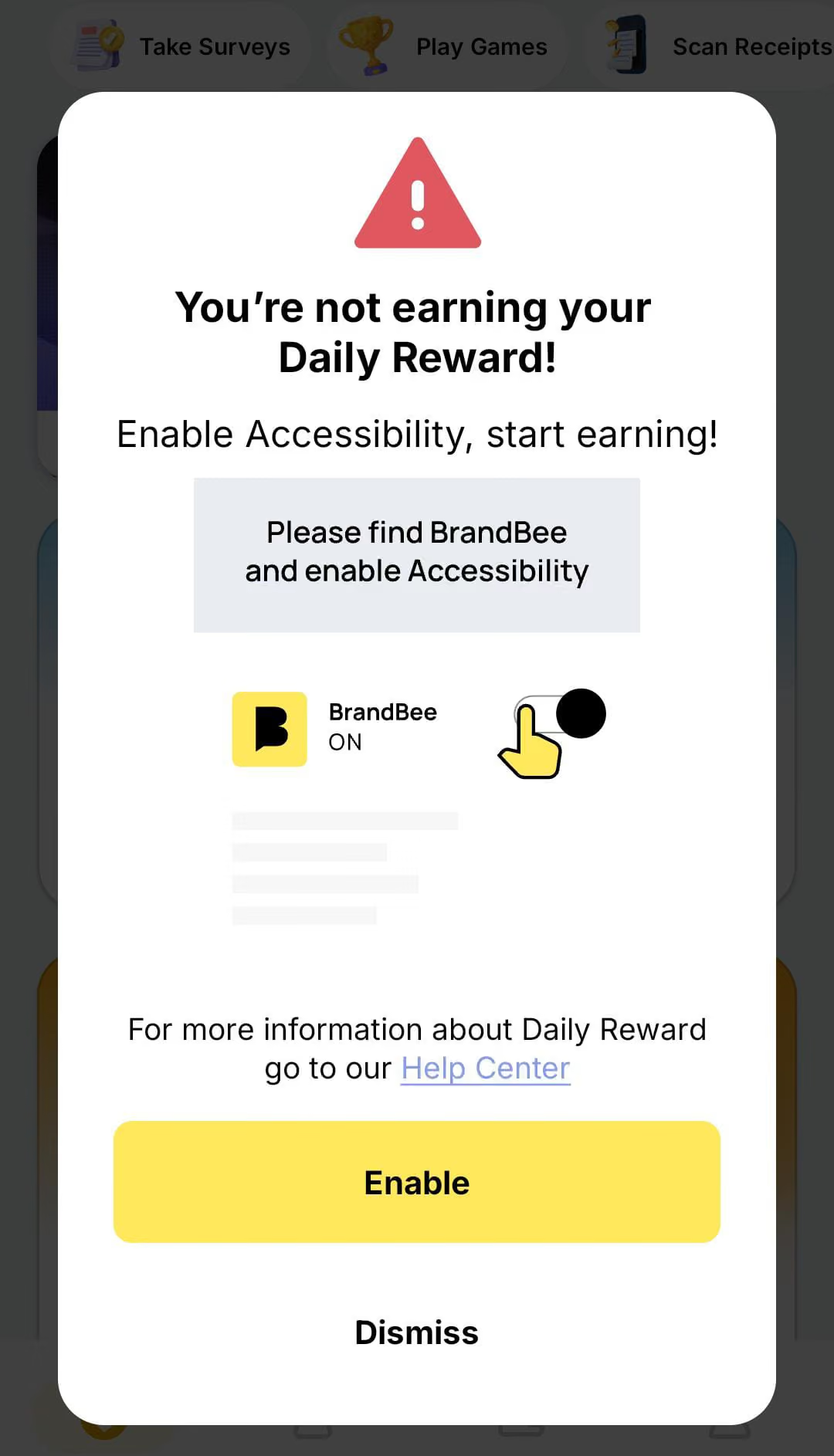
What sets BrandBee apart is how that data is handled. The app looks only at aggregated usage patterns, not individual activity. Everything collected remains anonymous and is used to understand general app trends, not to track individual users.
Participation is always optional. You choose whether to enable permissions, and you can turn them off at any time. As long as Accessibility stays enabled, rewards are added automatically to your in-app wallet each day. There are no tasks to complete and no prompts to respond to.
Earnings grow steadily and are easy to follow inside the app. That visibility makes a difference. You can see when rewards are added and why, which removes a lot of the uncertainty that comes with other passive earning apps. For anyone looking for passive income without hidden trade-offs, BrandBee offers a model where control stays firmly in the user’s hands.
MobileXpression
MobileXpression is another low-effort option that runs quietly in the background. Once installed, it collects anonymized browsing data for market research.
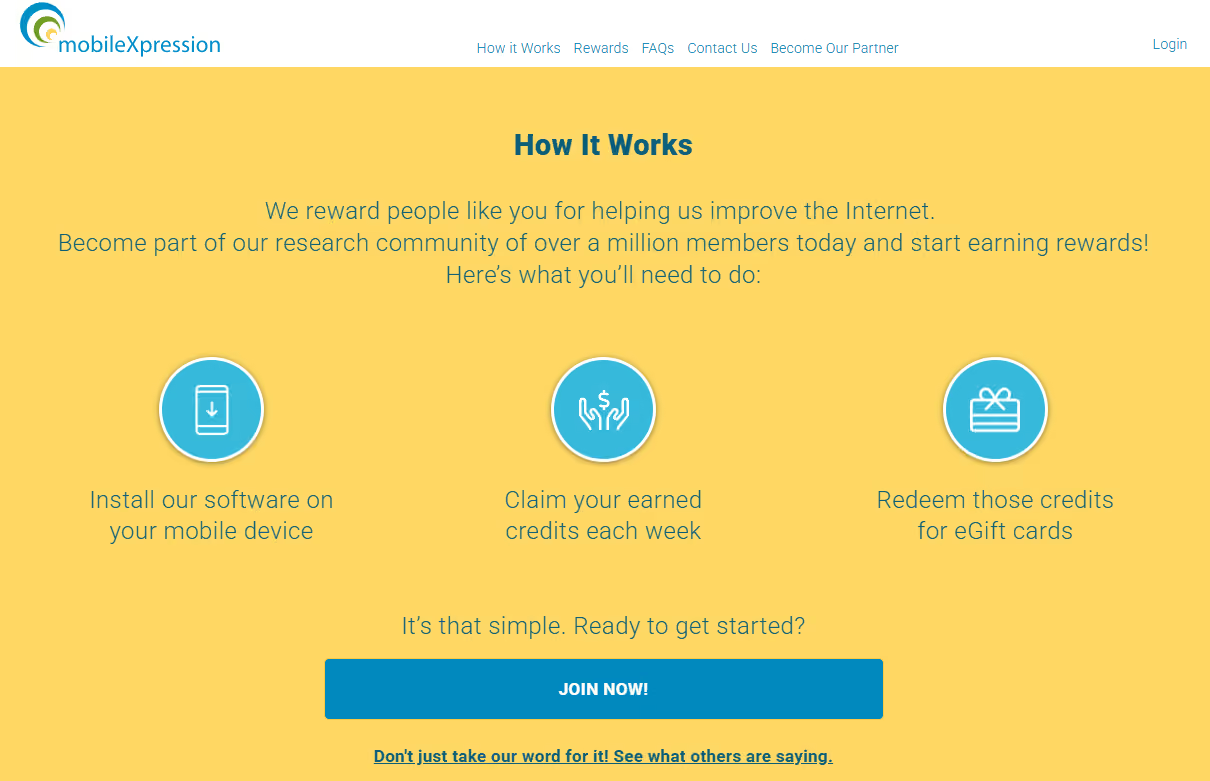
Setup takes only a few minutes, and after that, there’s very little to manage. Rewards usually come in the form of weekly e-gift cards, so payouts are predictable and easy to understand. Because interaction is minimal, most users forget it’s even there.
As with any app that earns through data sharing, it’s worth reviewing permissions carefully and making sure you’re comfortable with how your information is used before committing long-term.
Cashback & shopping reward apps
Cashback and shopping reward apps work quietly while you shop as you normally would. There’s no need to change habits or complete daily tasks. You buy something you already planned to buy, and rewards stack up in the background.
That’s the appeal.
These apps are built for steady, low-friction returns tied to everyday spending. Groceries, clothes, online orders, and even the impulse buy you made five minutes ago. Because everything runs automatically, they’re easy to stick with over time.
Here are three examples that keep things simple:
Capital One Shopping
Capital One Shopping works as a browser extension and mobile app. Once installed, it automatically looks for coupons and better prices while you shop online. There’s nothing to activate manually. If a purchase qualifies, rewards are added to your account.
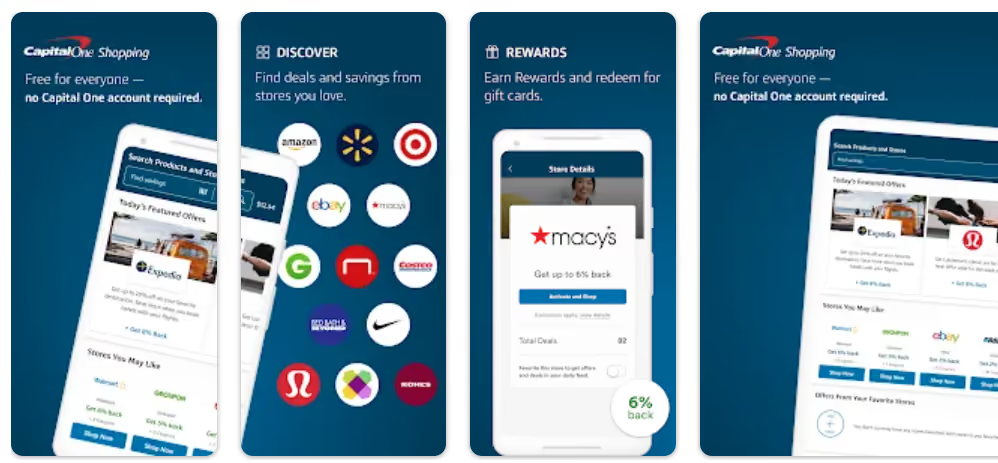
It also tracks price drops on items you’ve viewed before, adding value without asking for extra effort. You shop. It works in the background. That’s it.
Rakuten
Rakuten offers percentage-based cashback across a large network of retailers. You start your shopping trip through the app or browser link, then earn a small amount back after checkout.
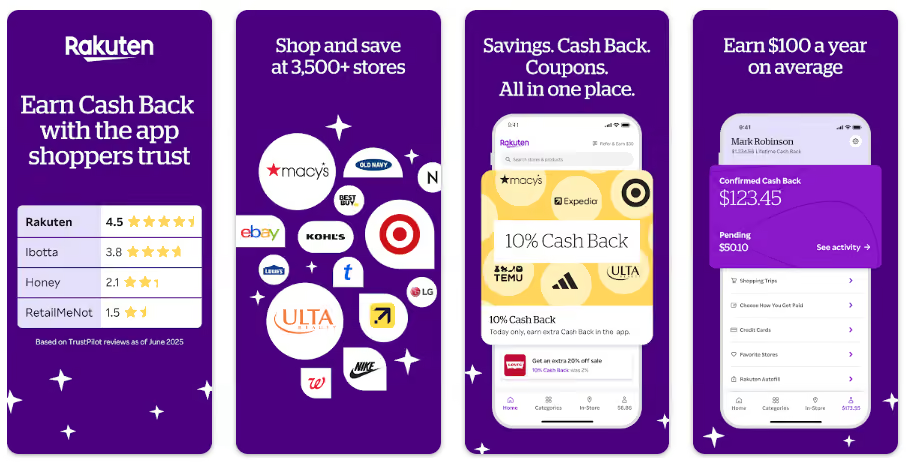
The payouts aren’t huge, but they add up over time. Because it fits naturally into existing shopping habits, many people see Rakuten as one of the easiest ways to earn passive income from spending they were already doing.
Micro-investing & automated finance apps
Some people are comfortable letting small financial decisions run quietly in the background. If that sounds like you, micro-investing and automated finance apps can turn everyday habits into long-term progress.
These platforms work best for people who are okay with light automation and want systems that stay out of the way once they’re set up. You define the rules, and the apps handle the rest.
Here are a few well-known options:
Acorns
Acorns invests your spare change. Every purchase gets rounded up, and the difference is automatically invested.
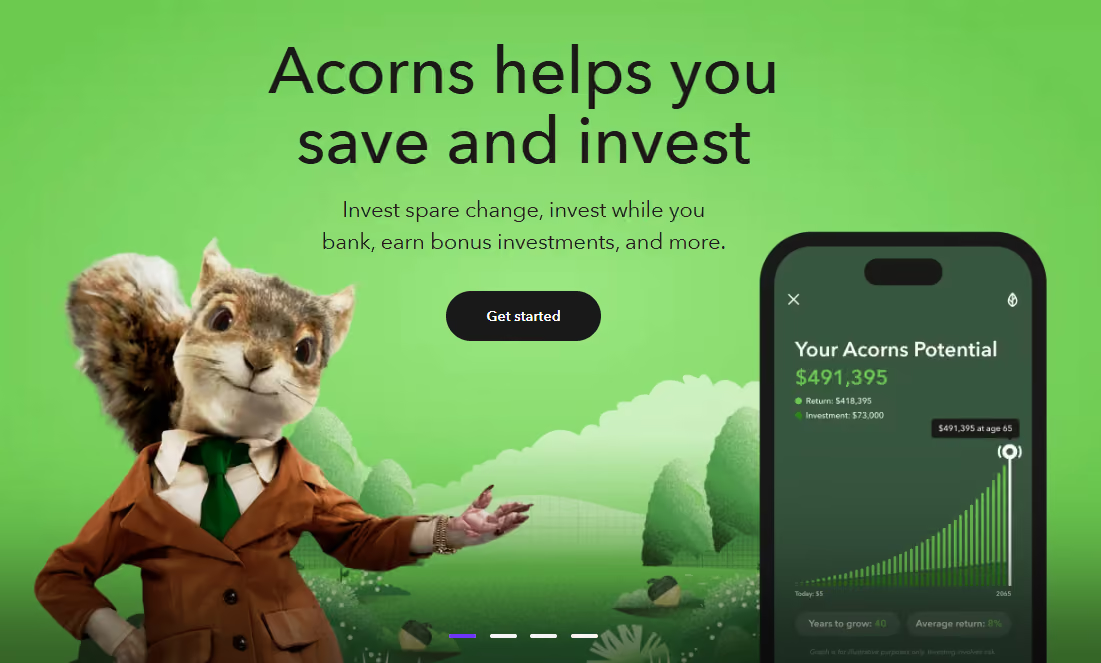
The amounts are small enough that most users barely notice, but over time, those round-ups add up. It’s a popular starting point for beginners who want to invest without changing how they spend.
M1 Finance
M1 Finance is built around structure. You create a portfolio, set your allocation preferences, and schedule contributions. From there, the platform handles rebalancing and ongoing investing.

Once everything is configured, there’s little to do day to day, making it a good fit for people who prefer a hands-off approach.
Public
Public offers recurring auto-investing across stocks, ETFs, and treasuries. You choose what to invest in and how often, then let the schedule run.
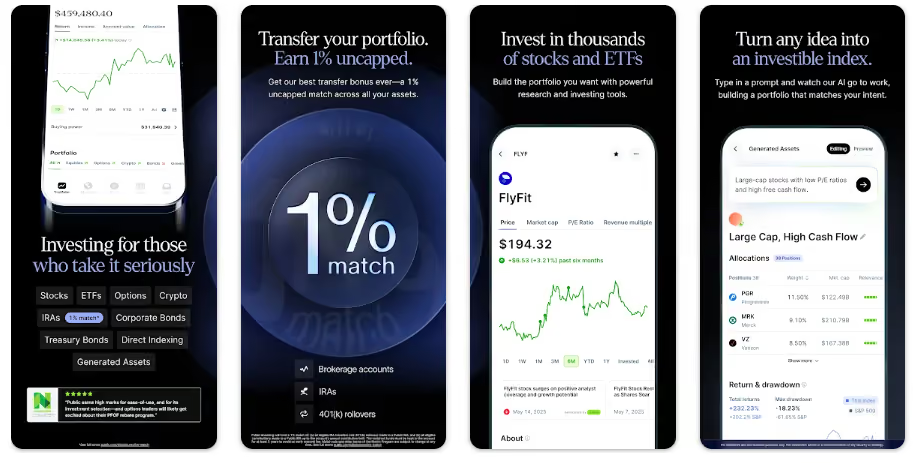
It’s a good option for users who want diversification without placing manual trades every week or month.
Arrived
Arrived takes a different angle by focusing on real estate. It allows users to buy fractional shares in rental properties and earn quarterly dividends.
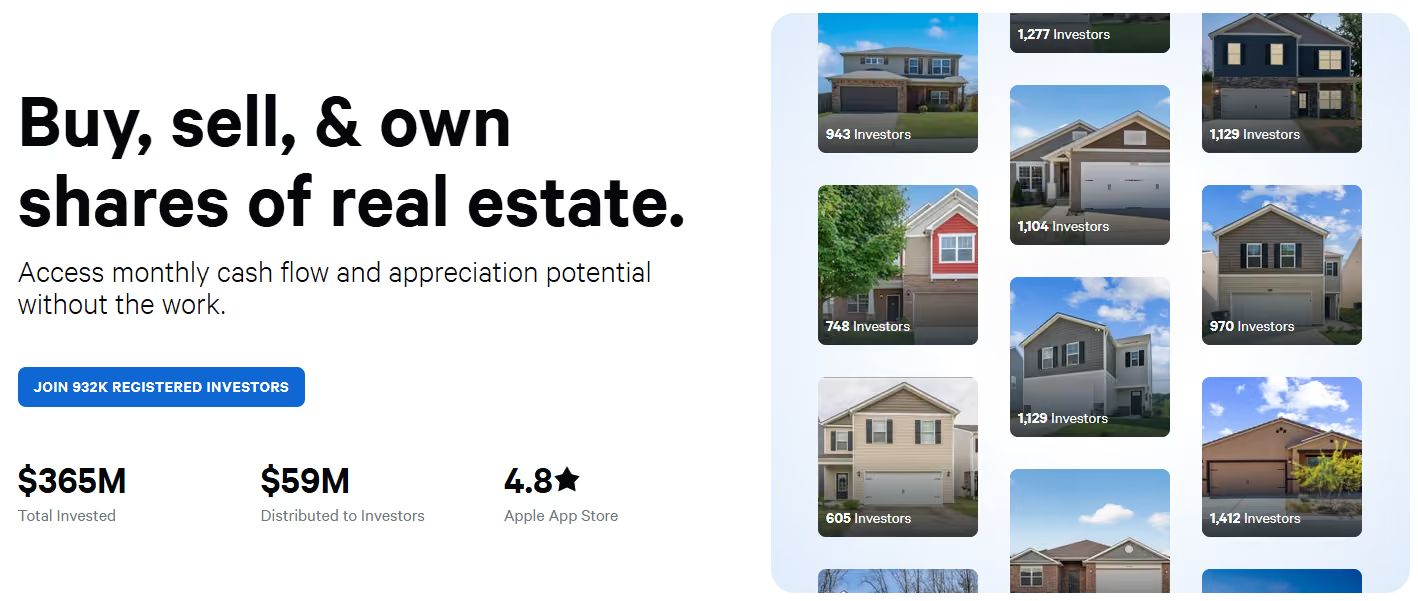
There’s no landlord work involved. The platform manages the properties while investors gain exposure to rental income without owning a full property.
Asset & space rental platforms
Passive income doesn’t stop at apps and subscriptions. Some opportunities sit much closer to home, or in the driveway.
Asset and space rental platforms let people turn things they already own into income streams. A car that sits unused during the week. A garage filled with boxes that never get touched. These platforms connect unused space or assets with people who need them, while handling much of the logistics.
There’s usually some upfront setup, but once that’s done, income can come in with minimal ongoing effort.
Turo
Turo allows car owners to rent out their vehicles directly to other drivers. The platform manages bookings, payments, and insurance, which removes much of the friction that makes private car rentals stressful.

Once a car is listed and availability is set, earnings can come in with little day-to-day involvement, especially for vehicles that would otherwise stay parked.
Neighbor
Neighbor focuses on storage. It lets users rent out garages, basements, sheds, or spare rooms to people nearby who need extra space.
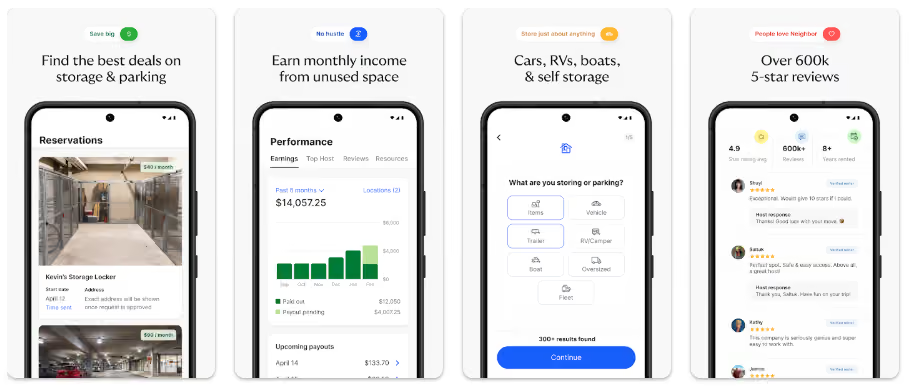
The platform handles customer discovery, payments, and communication, turning unused square footage into a steady income stream without constant attention.
Pro tips: build your own passive-income stack
This is where passive income starts to feel practical.
Relying on one app rarely tells the full story. Real momentum comes from stacking different types of income. Think data-sharing apps alongside automated finance tools, plus one or two low-effort physical assets if you have them. Each plays a different role, and together they reduce reliance on any single source.
Consistency matters more than chasing bigger payouts.
Track what comes in, even if it feels minor at first. Many users do a simple monthly check-in. Which apps paid out? Which didn’t? Did anything feel like more work than it was worth? Those answers quickly show what earns its place in your stack.
Automation helps here. Link accounts where needed. Turn on auto cash-outs. Remove as many manual steps as possible. The fewer decisions required, the easier it is to stay consistent.
Security matters too.
Passive income only works long-term if trust stays intact. Stick with apps that explain their data use clearly and give you visible controls. Platforms built around consent and transparency set the right standard. BrandBee is a good example of how earning can stay ethical, controlled, and sustainable without crossing personal boundaries.
Passive income apps: start small, stay automatic
Scroll your phone. Order groceries online. Let a few cents round up in the background. That’s where passive income apps actually do their work.
You don’t need complex systems or deep financial knowledge to get started. The apps that last focus on automation and low effort, quietly rewarding habits you already have. No schedules. No tasks to chase.
Most modern platforms are built around transparency and steady accumulation. That’s why features like BrandBee’s Daily Reward resonate with users who care about privacy-first participation and earnings generated from anonymized usage data, not constant input.
If the goal is to make money online without interrupting daily life, even something as simple as gradually earning $50, passive income apps offer a low-pressure place to start.


